Repairs
Tooth extractions, with a plan for what comes next.
When a tooth cannot be saved, it is removed as gently as possible, with a plan for what replaces it. Ask about replacement options before the appointment, so you know your choices.
- Numbing: Local anesthetic
- Soreness: Often a few days
- Before: A plan for the gap
What it is
Extractions, in plain words.
Keeping a natural tooth is usually the first choice. Sometimes, though, a tooth is too broken, too decayed or too loose to keep, or an infection cannot be cleared any other way, and taking it out is the better choice for the rest of your mouth.
Before the tooth comes out, it helps to talk through what could replace it. A gap can let the teeth beside it drift and the bone beneath it shrink over time, so an implant, a bridge or a partial denture is often planned. Asking about the options before the appointment lets you decide without feeling rushed.
When it may be needed
- A tooth is broken below the gumline
- Decay has gone too far to repair
- A tooth is loose from advanced gum disease
- An infection a root canal cannot clear
- A tooth keeps causing pain or infection
How it works
How it usually goes.
Every mouth is different, so your own visit may differ a little. This is the usual shape of it, and the dentist explains your plan before anything starts.
A look and an x-ray
The dentist examines the tooth and takes an x-ray to see the roots and the bone around them.
A plan for the gap
You go over what could fill the space later, such as an implant, a bridge or a denture, and whether anything should be planned now.
Numbing
A local anesthetic numbs the tooth and the gum around it. You may feel pressure and movement, but you should not feel sharp pain.
Removing the tooth
The tooth is gently loosened and lifted out. Gauze over the spot helps a blood clot form, which is the start of healing.
Afterwards
What to expect afterwards.
- Bite on the gauze for as long as you are told, and take it easy for the rest of the day
- For the first few days, do not smoke, drink through a straw, spit or rinse hard, so the clot stays in place
- Eat soft, cool food and chew on the other side
- Some soreness for a few days is normal and should ease each day; call during office hours if it gets worse instead of better
- Call if bleeding does not slow with firm pressure on gauze; swelling that makes it hard to breathe or swallow needs the emergency room
Questions before or after?
(734) 326-0000Mon to Fri 9:00 am to 6:00 pmClosed Sat and Sun
Closed today. Opens Monday at 9:00 am
Request an appointmentPatient reviews
What patients say about the office.
From the office’s Google reviews, printed as they were written.
Always a great experience at Dr. Saad’s clinic! The staff is very friendly and accommodating and the service is top notch! My whole family goes there for dental work and are very happy with the service.
Nada F., Google review, December 2025 Milan, my dental hygienist was amazing. She was very thorough in her cleaning & intake. Dr. Saad was very clear with his instructions and follow up. I’m glad I found this place!
Fenix, Google review, July 2026 What a wonderful team! From the dr to the front desk, 5 stars all around! They talk you through everything they do… no surprises. I had such a horrible experience at my last dentist office with billing AND services. I’ve already been a couple times now and they are consistently on point!
Jennifer A., Google review, July 2026
Questions
Questions, answered.
Something else on your mind? Call during office hours and ask.
Does an extraction hurt?
The area is numbed, so you should feel pressure and movement without sharp pain. Soreness afterwards usually eases over a few days.
What is a dry socket?
Sometimes the blood clot comes out of the socket too early, leaving the bone exposed and sore a few days later. Avoiding straws, smoking and hard rinsing lowers the risk. Call if the pain gets worse a few days after the extraction instead of easing.
Do I need to replace the tooth?
Often, yes, especially for a back tooth or a gap that shows when you smile. The teeth beside a gap can tip into it over time and the bone there slowly shrinks. Implants, bridges and dentures are the usual options.
I am nervous about having a tooth out. What can help?
Say so when you book, so the team knows before you sit down. Sedation dentistry is offered here; ask whether it suits your treatment, and plan a ride home, since with some types you should not drive afterwards.
When can I eat normally?
Most people eat soft food for the first day or two and go back to their usual food as the soreness fades, chewing on the other side for a while.
Related services
You may also want to read about.
Dental implants
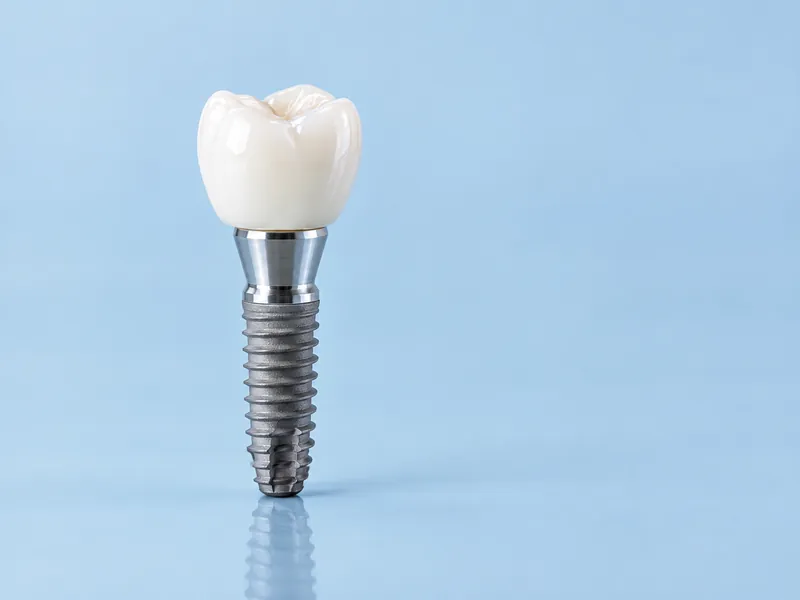
A small post in the jaw, topped with a crown that looks and works like the tooth it replaces.Bridges
A false tooth anchored to the teeth on either side of a gap, fixed in place so it stays put.Dentures
Full or partial sets made to fit your mouth, with adjustments afterwards as your gums settle.

Book a visit
Book a visit, or just ask.
Request a time online, or call during office hours and the front desk will help you find the right visit.
Accepting new patients
Mon to Fri 9:00 am to 6:00 pm
Closed Sat and Sun
Closed today. Opens Monday at 9:00 am