Prevention
Dental cleanings, for smooth teeth and healthy gums.
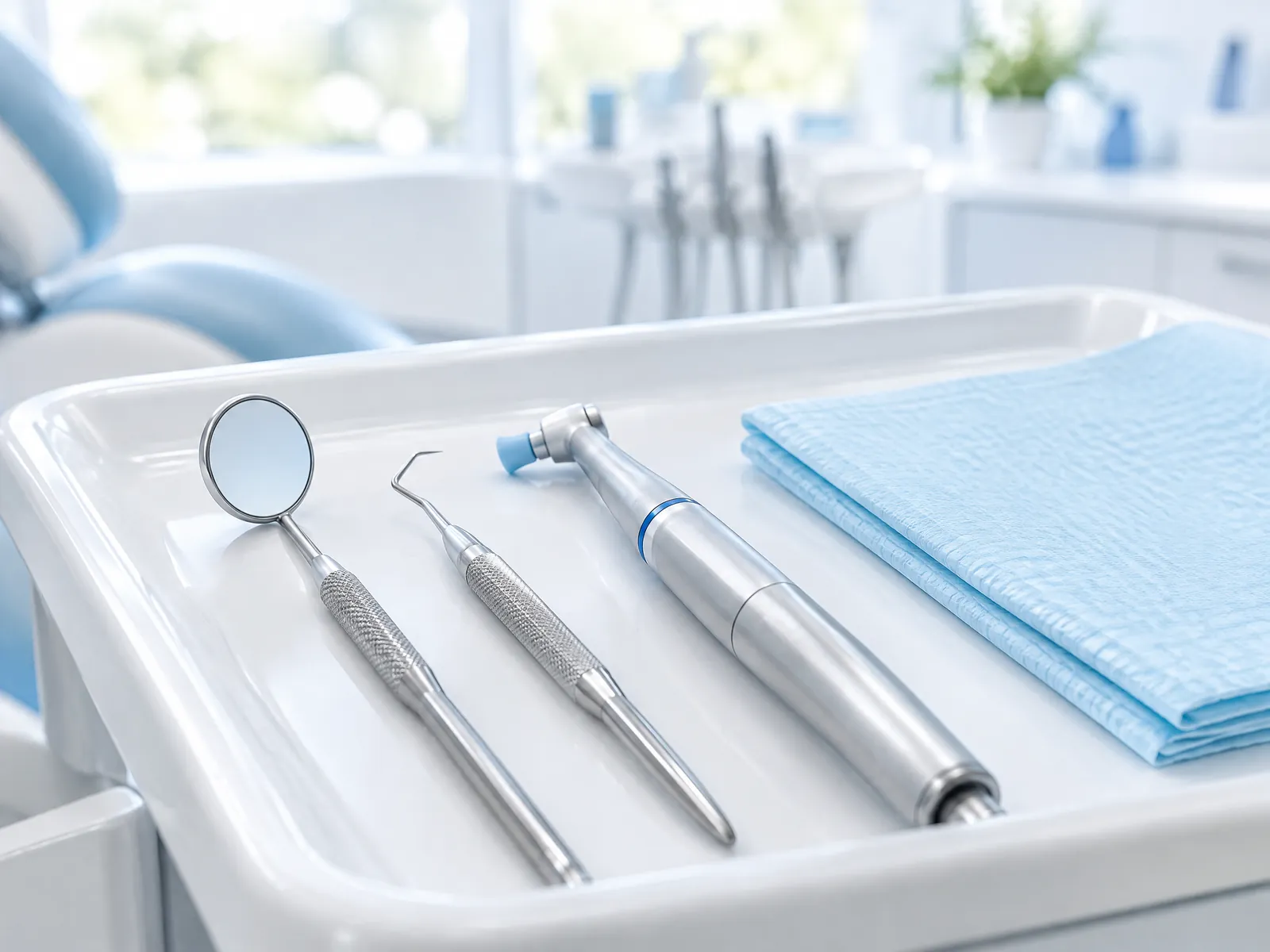
A hygienist removes the plaque and tartar that brushing misses, above and just below the gumline, then polishes your teeth smooth. Regular cleanings, with brushing and flossing at home, are the main defense against gum disease.
- How often: Twice a year for many people
- Time: Usually under an hour
- Feels like: Light scraping, then a polish
What it is
Cleanings, in plain words.
Plaque is the soft, sticky film that forms on teeth every day. Brushing and flossing remove most of it, but what stays behind hardens into tartar, which a toothbrush cannot shift. A cleaning removes that buildup, including the tartar tucked just below the gumline, before the polish.
Plaque and tartar along the gumline irritate the gums, and that is how gum disease usually begins. Removing them regularly helps keep your gums firm and healthy, and the polish takes off some surface stains and leaves your teeth feeling smooth.
When it may help
- Your gums bleed when you brush or floss
- Your teeth feel rough along the gumline, even after brushing
- You can see hard yellow or brown buildup along the gumline
- Bad breath that brushing does not fix
- It has been a while since your last cleaning
How it works
How it usually goes.
Every mouth is different, so your own visit may differ a little. This is the usual shape of it, and the dentist explains your plan before anything starts.
A look at your gums
The hygienist checks your gums and notes any areas that bleed or need extra care.
Scaling
Small instruments lift tartar off your teeth and from just below the gumline. You feel some scraping and pressure, but it should not hurt.
Polishing
A soft rubber cup and a gritty paste smooth every surface and lift surface stains, so plaque has less to cling to.
Flossing and pointers
Your teeth are flossed, and you hear about any spots that are easy to miss at home.
Afterwards
What to expect afterwards.
- Your teeth feel smooth; that is the polish
- Gums can be a little tender for a day or two if there was a lot of buildup
- Brushing twice a day and cleaning between your teeth once a day keeps the result
- Booking the next cleaning before you leave keeps it from slipping
Questions before or after?
(734) 326-0000Mon to Fri 9:00 am to 6:00 pmClosed Sat and Sun
Closed today. Opens Monday at 9:00 am
Request an appointmentPatient reviews
In patients’ own words.
From the office’s Google reviews, printed as they were written.
Milan, my dental hygienist was amazing. She was very thorough in her cleaning & intake. Dr. Saad was very clear with his instructions and follow up. I’m glad I found this place!
Fenix, Google review, July 2026 Absolutely awesome. Great cleaning, outstanding Dentist, superb office help. All very nice and understanding. Very efficient! Hate to say it, but makes me want to go to the dentist!
David H., Google review, October 2025 Always a great experience, from emergency appointments to regular cleanings - they see me with urgency and treat me like family!
Lena M., Google review, April 2026
Questions
Questions, answered.
Something else on your mind? Call during office hours and ask.
How often should I have a cleaning?
Twice a year suits many people. If you have gum disease or build up tartar quickly, the hygienist may suggest coming more often.
Does a cleaning hurt?
Most people find it comfortable. You may feel scraping and pressure, and inflamed spots can sting a little. Tell the hygienist if anything is uncomfortable.
Why do my gums bleed during a cleaning?
Bleeding usually means the gums are inflamed, often from plaque along the gumline. It tends to settle once the buildup is gone and you keep up brushing and flossing at home. Bleeding that does not settle is worth having checked for gum disease.
What is the difference between a cleaning and a deep cleaning?
A regular cleaning works on the teeth and just below the gumline. A deep cleaning, called scaling and root planing, reaches further below the gumline to treat gum disease, and is often done over more than one visit with numbing.
Will a cleaning whiten my teeth?
Polishing removes some surface stains, so teeth can look brighter, but it does not change their natural shade. For that, ask about Zoom whitening.
Related services
You may also want to read about.
Checkups and exams
Every tooth, your gums, your bite and the soft tissue of your mouth, compared with last time.Gum disease treatment
Deep cleaning below the gumline, called scaling and root planing, then follow-up visits.Teeth whitening
Zoom whitening, supervised in the office, usually lifts stains further than store kits.


Book a visit
Book a visit, or just ask.
Request a time online, or call during office hours and the front desk will help you find the right visit.
Accepting new patients
Mon to Fri 9:00 am to 6:00 pm
Closed Sat and Sun
Closed today. Opens Monday at 9:00 am