Replacements
Dental bridges, a fixed way to fill a gap.
A bridge fills the gap left by a missing tooth with a false tooth anchored to the teeth on either side. It is fixed in place, so there is nothing to take out at night, and it is an option when an implant is not the right fit.
- Visits: Usually two
- Numbing: Local anesthetic
- Lasts: Many years with care
What it is
Bridges, in plain words.
A bridge is a false tooth, called a pontic, held in place by the teeth on either side of the gap. In the most common kind, those two teeth are shaped and capped with crowns, and the false tooth is joined between them in one piece that is cemented in place.
Filling a gap matters for more than looks. Teeth beside a space tend to drift or tip into it over time, and the tooth that used to meet the missing one can move toward it too, which can change your bite. A bridge helps hold the teeth around the gap in place and lets you chew on that side again.
When it may help
- A tooth is missing and the teeth on either side are sound
- The teeth beside the gap already need crowns
- An implant is not the right fit for you
- You want a fixed tooth rather than one you take out
- A gap makes chewing harder or bothers you when you smile
How it works
How it usually goes.
Every mouth is different, so your own visit may differ a little. This is the usual shape of it, and the dentist explains your plan before anything starts.
A consult and a plan
The dentist checks the gap, the teeth either side and your gums, usually with x-rays, and explains the choices for filling it.
Preparing the anchor teeth
With the area numbed, the teeth on either side are shaped so crowns can fit over them. An impression or scan of your teeth is used to make the bridge, usually at a dental lab.
A temporary bridge
You wear a temporary bridge that protects the shaped teeth while the permanent one is made, usually for a couple of weeks.
Fitting the bridge
The dentist checks the fit, the color and your bite, makes any small adjustments, then cements the bridge in place.
Afterwards
What to expect afterwards.
- The anchor teeth can feel a little sensitive for a few days
- If your bite feels high once the numbness has worn off, call so it can be adjusted
- Clean under the false tooth every day with a floss threader, a water flosser or small brushes
- Regular checkups and cleanings help keep the anchor teeth healthy, and the bridge depends on them
Questions before or after?
(734) 326-0000Mon to Fri 9:00 am to 6:00 pmClosed Sat and Sun
Closed today. Opens Monday at 9:00 am
Request an appointmentPatient reviews
What patients say about the office.
From the office’s Google reviews, printed as they were written. A few long ones end at a sentence.
Always a great experience, from emergency appointments to regular cleanings - they see me with urgency and treat me like family!
Lena M., Google review, April 2026 I just had my first visit with Dr. Saad and left feeling incredibly appreciative and grateful. The kindness and compassion I received from him and his team, especially as a new patient in a tough situation and dreading the visit like a scared child, was truly remarkable. I think I may have finally found a dentist I can trust.
Ramiro Z., Google review, May 2025 Although I was in a lot of pain, I was made so comfortable greeted with laughs and a big smile. They are very helpful and informative. I don’t think I’d ever go anywhere else for my gentle needs.
Liberty B., Google review, July 2026
Questions
Questions, answered.
Something else on your mind? Call during office hours and ask.
How long does a bridge last?
Many bridges last ten years or more with good care. How long yours lasts depends mostly on keeping the anchor teeth and the gums around them healthy.
Does getting a bridge hurt?
The teeth are numbed while they are shaped, so most people feel pressure rather than pain. Some sensitivity for a few days afterwards is common.
How do I clean under a bridge?
Food can collect under the false tooth, so clean there every day with a floss threader, a water flosser or small brushes made for the job. The hygienist can show you which suits you.
Should I choose a bridge or an implant?
An implant replaces the tooth without involving the teeth beside it, but it needs a small surgery and a few months of healing. A bridge is often finished within a few weeks and needs no surgery, though the anchor teeth are usually reshaped. The dentist can talk through which suits you.
Can I eat normally with a bridge?
Yes, once the permanent bridge is cemented and the numbness has worn off. Take very hard or sticky foods carefully, as you would with your own teeth.
Related services
You may also want to read about.
Dental implants
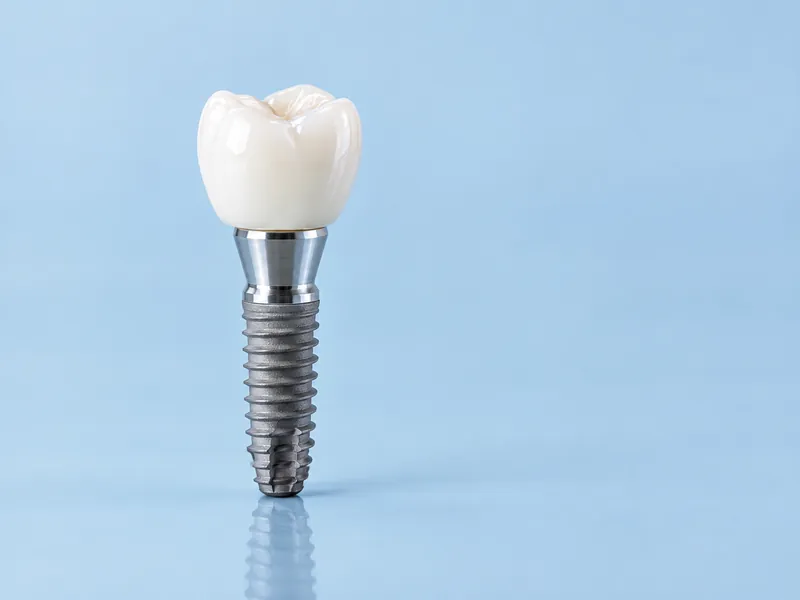
A small post in the jaw, topped with a crown that looks and works like the tooth it replaces.Crowns
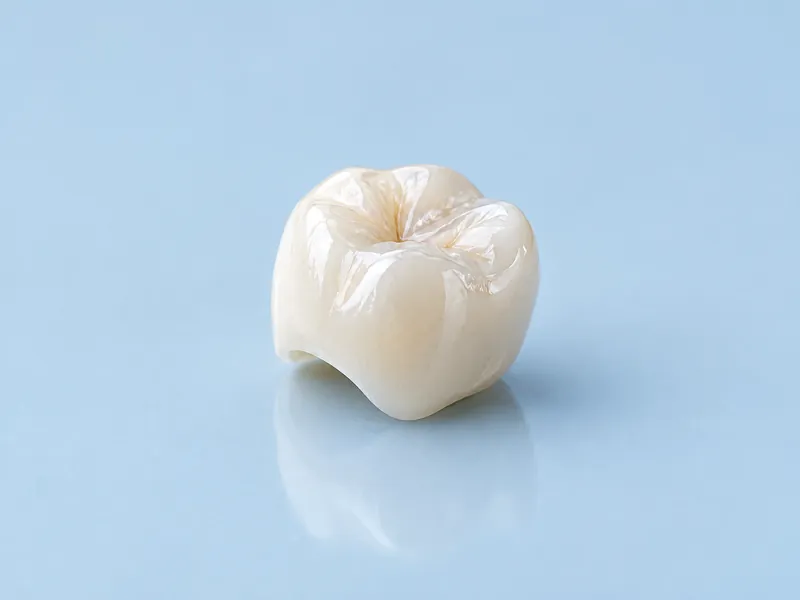
A cap that covers a tooth too damaged for a filling, restoring its shape and strength.Dentures
Full or partial sets made to fit your mouth, with adjustments afterwards as your gums settle.

Book a visit
Book a visit, or just ask.
Request a time online, or call during office hours and the front desk will help you find the right visit.
Accepting new patients
Mon to Fri 9:00 am to 6:00 pm
Closed Sat and Sun
Closed today. Opens Monday at 9:00 am